


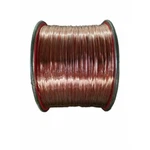


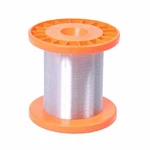
Copper Alloy
At present, Zhenxiong copper group has 6 factories, It covers a total area of 300,000 square meters, 4 factories are in Kunshan, Jiangsu, another 2 are in Baotou, Inner Mongolia. Kunshan factory is the headquarter, capacity of copper wires is 4000tons per month with average diameter 0.12mm, and the address is near to Shanghai port.
Bare copper wire, single copper wire, stranded copper wire, tinned copper wire, copper alloy, silver plated copper wire, nickel plated copper wire, braid copper wire, multi copper wire, copper clad steel, copper clad aluminum, stranded aluminum wire,Products are widely used in electronics, communications, automobile, robot,high-speed rail, aviation / aerospace, marine, new energy material, medical, defense and other industries.
Why Choose Us
Our Certificate
ISO 9001:2015, ISO 14001:2004, ISO 45001:2018 , IATF 16949:2016,AS 9100D, ISO/TS 22163 , ISO 13485:2016,GJB 9001C
Production Equipment
Upcasting machine, rod break down machine, multi-wire drawing machine, single wire drawing machine, electrical plating/hot dip coating machine, stranding machines (single twist, double twist, tubular, planet), winding machine
Our Service
Good quality, quick response, short lead time, large scale of products(one stop shopping)
Production Market
Japan, Southeast Asia, India, Europe, North America



Copper is an elemental metal known for its reddish color, conductivity, and corrosion resistance. Its many alloys exhibit beneficial properties ideal for use in a wide range of applications, from electronics wiring to architectural forms and plumbing fixtures.
Copper is a naturally occurring elemental metal. While pure copper is often used in manufacturing, the element also combines easily with a number of metals to form alloys that enhance thermal and electrical conductivity, strength, corrosion resistance, and antimicrobial properties.
Benefits of Copper Alloy
Conductivity
Copper is one of the most thermal and electrically conductive materials available. This makes it ideal for use in electronic wiring and connections.
Strength
In its pure form, copper is malleable, which makes it easy to form into wires or beat into thin sheets for cladding. The addition of tin, nickel, and other metals helps to create copper alloys that are stronger and more durable.
Joining
Pure copper and copper alloys are easy to solder and braze, allowing them to cleanly join with other metals. Its formability further makes copper and its alloys easy to rivet, bolt, and crimp.
Corrosion
Copper and its alloys exhibit exceptional corrosion resistance to moisture, saltwater, and a variety of chemicals.
Antimicrobial
ncoated Copper is capable of killing up to 99.9% of certain microbes within two hours of exposure.
Color
Copper’s attractive reddish color can be modified by the addition of other metals to create colors ranging from gold and bronze to bright silver and matte gray.
Type of Copper Alloy
ETP AND OF COPPERBare Copper Wire
Two popular alloys of copper are electrolytic tough pitch (ETP) copper and oxygen-free (OF) copper.
ETP COPPER (C110)
For ETP copper properties, this alloy is extremely versatile and is the most commonly used copper alloy. It offers 100% IACS minimum conductivity, making it popular for electrical applications and those necessitating low resistance levels.
OF COPPER (C101)
OF copper is a 99.99% pure copper alloy with 0.0005% oxygen content. This alloy has 101% IACS conductivity rating, it is resistant to oxidation, and less vulnerable to hydrogen embrittlement.

Zinc
Brass is a copper alloy of zinc and copper. The composition of brass is generally 66% copper and 34% zinc, meaning that a little over a third of the alloy is composed of zinc.
Brass is perhaps the most well-known copper alloy in the world, and has countless uses in a number of industries. Brass is used in architecture and decoration, often used in household decorations and everyday materials ranging from silverware to zippers.
Aluminum
Aluminum bronzes use aluminum as their principal alloying element but also use iron and nickel in their makeup, according to MetalTek. Aluminum bronze can either contain 9-14% aluminum and 4% iron, making it a true aluminum bronze, or 9-11% aluminum, 4% iron and 5% nickel, making it a nickel aluminum bronze.
Tin
Phosphor bronze contains phosphorus, tin, and copper, according to the Copper Development Association Inc. The makeup of phosphor bronze is between 0.5 and 11% tin and 0.01 to 0.35 % phosphorous, with the rest of the alloy being made up of copper.
Nickel
Nickel aluminum bronze, also sometimes referred to as nickel brasses, are copper alloys that contain copper, nickel, and zinc. Most nickel aluminum bronze are 3-5% nickel, 62% copper, and 20% zinc, according to Encyclopedia Britannica, but the individual makeup of nickel aluminum bronze can vary slightly.
Electrical and Electronics
Copper alloys find extensive use in the electrical and electronics industry due to their exceptional electrical conductivity. The most common copper alloy used in this sector is brass, which is an alloy of copper and zinc. Brass is utilized for manufacturing electrical connectors, terminals, switches, circuit breakers, and various other electrical components. Its excellent conductivity, along with its corrosion resistance, makes it ideal for these applications. Copper alloys are also employed in the production of wiring, cables, bus bars, and printed circuit boards (PCBs), owing to their superior electrical and thermal conductivity properties.
Architecture and Construction
Copper alloys have been utilized in architecture and construction for centuries due to their appealing appearance, durability, and corrosion resistance. Brass and bronze, which are copper alloys with zinc and tin, respectively, are frequently used in decorative elements, such as door handles, hinges, handrails, and architectural accents. Copper alloys are also used for roofing, gutters, and downspouts, as they develop an attractive patina over time, providing a unique aesthetic to buildings. Additionally, copper alloys are employed in plumbing systems, valves, fittings, and heat exchangers due to their excellent corrosion resistance and antimicrobial properties.
Automotive and Transportation
Copper alloys play a vital role in the automotive and transportation industries due to their excellent heat transfer, corrosion resistance, and mechanical properties. Brass and bronze alloys are used in various automotive components, including radiator cores, heat exchangers, connectors, bearings, and bushings. Their ability to withstand high temperatures, as well as their durability and wear resistance, makes them suitable for these applications. Copper alloys are also employed in electrical wiring systems, terminals, and connectors, taking advantage of their excellent conductivity.
Industrial Equipment and Machinery
Copper alloys are utilized in a wide range of industrial equipment and machinery applications. Brass and bronze alloys are commonly found in pump components, valves, fittings, and hydraulic systems due to their corrosion resistance, high strength, and machinability. These alloys can withstand challenging operating conditions, including high pressures and aggressive chemicals. Copper alloys are also used in gears, bearings, bushings, and various mechanical components where low friction, high wear resistance, and dimensional stability are crucial.
Copper manufacturing process
The next step in copper production is to fabricate products from the copper cathodes. Manufacturers must decide which processes they will use based on cost-effectiveness and product quality considerations. Some of these processes include casting, drawing, extrusion, forging, hot rolling, cold rolling, powder metallurgy, stamping/punching/pressing/drawing die forming/bending/stretching/welding, etc., machining operations such as turning, boring, and drilling operations; heat treating operations; surface finishing operations; electroplating coating processes; assembly processes; testing procedures; cleaning operations, etc. Casting involves heating liquid metal until it liquefies and pouring it into molds where it solidifies into semi-finished shapes that can then be further processed through additional manufacturing steps like drawing or extrusion to create finished parts for use in various applications including construction equipment, motors, automotive components electronics appliances, etc.
Refining
The first step in the copper manufacturing process is refining. Copper ore that is mined from the earth is typically mixed with other minerals, such as iron, sulfur, and silica. This mixture is then heated in a furnace to a temperature of 2,000 degrees Fahrenheit. This process removes most of the impurities from the copper ore and leaves a purer product.
Smelting
The next step in the copper manufacturing process is smelting. In this process, the refined copper is heated to a temperature of 2,500 degrees Fahrenheit. This high temperature causes the copper to melt and separates it from the impurities that were not removed in the refining process. The molten copper is then poured into molds called ingots, which are used to create various products.
Casting
After the copper has cooled and solidified in the ingots, it is time for casting. In this process, the ingots are heated to a temperature of 1,200 degrees Fahrenheit and poured into molds called casts. The casts help to give the copper products their desired shape.
Drawing
Once the copper has cooled and solidified in the casts, it is time for drawing. In this process, the casts are heated to a temperature of 1,000 degrees Fahrenheit and drawn through dies that give them their desired shape. The most common shapes that are drawn are wire and tubing.
Annealing
The final step in the copper manufacturing process is annealing. In this process, the drawn wire or tubing is heated to a temperature of 700 degrees Fahrenheit and then cooled slowly. This helps to improve the ductility of the metal so that it can be used for various applications.
Copper production begins with acquiring raw materials like ore, concentrate, or matte. These raw materials come from mines around the world where ores containing copper sulfide minerals are extracted using open-pit mining or underground mining techniques. The ore is then crushed and heated to separate the copper from other elements. This process is known as smelting and produces molten matte or blister copper, which is then refined further into 99% pure copper cathodes.
Mining
Copper can be found in above-ground and underground deposits. The first step in copper production is mining. This can be done via open-pit or underground mining methods.
Milling
Once the copper ore has been mined, it must be milled to separate the copper from the rest of the rock. This is done via crushing and grinding.
Concentrating
The next step in copper production is concentrating. This process involves adding chemicals to the milled ore to separate the copper from the rest of the metals present.
Smelting
After the copper has been concentrated, it must be smelted to extract the metal from the rest of the materials present. This is done via a process known as pyrometallurgy.
Refining
The final step in copper production is refining. This process removes impurities from the metal and produces a purer form of copper that can be used for various applications.

First, it's helpful to understand why copper tarnishes. Initially, this causes a layer that may appear reddish-brown. Over time, the oxide layer can continue to react with the air and cause a greenish-blue patina. While the main reason copper tarnishes is from natural oxidation, the process can be accelerated by other factors, like moisture and pollutants.
Apply Oil
Prevent tarnish by wiping a light coat of baby or mineral oil over your copper pieces right after cleaning. Copper starts to tarnish as soon as it's cleaned, The oil will seal the copper from the air and slow down the tarnishing process.
Keep Copper Dry
Moisture accelerates the tarnishing process, which is why drying your copper items immediately after cleaning is important.
Store Properly
Whether you keep your copper items on display or hidden away, proper storage is key. If you're displaying copper items, consider placing them in areas with minimal exposure to direct sunlight, excessive humidity, or pollutants.
Limit Humidity
Avoid leaving copper objects in humid environments. Additionally, certain air pollutants from industrial emissions or certain cleaning products can react with copper and speed up tarnishing.
Our Product
Bare copper wire, single copper wire, stranded copper wire, tinned copper wire, copper alloy, silver plated copper wire, nickel plated copper wire, braid copper wire, multi copper wire, copper clad steel, copper clad aluminum, stranded aluminum wire.


Our Certificate


FAQ