


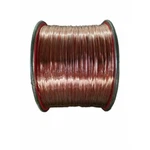


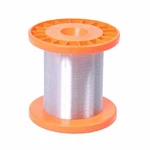

Copper And Tin Alloy
Products Description
Characteristics of copper-tin alloy:
Copper-tin alloy is an alloy composed of two metallic elements, copper and tin. The specific alloy characteristics may vary depending on the ratio of copper to tin, but the following are general characteristics:
- High strength and corrosion resistance: Copper-tin alloy has higher strength and corrosion resistance than pure copper, making it have better performance in some special environments.
- Good machinability: copper-tin alloys are easy to process and cast, and can be used to make parts and products of various shapes and sizes.
Excellent welding properties: Copper-tin alloys have good fluidity and maneuverability during welding, making them a common choice in electronics and electrical appliance manufacturing.
Application field
Copper-tin alloys are widely used in many fields, including but not limited to:
1. Electronics industry: Used to manufacture circuit boards, wires, cables and connectors.
2. Automation and mechanical engineering: tin-copper alloys are often used in the manufacture of contactors, relays, spring contacts and mechanical parts to take into account wear resistance and electrical conductivity.
3. Chemical industry: Due to its corrosion resistance, tin-copper alloys are often used in the manufacture of chemical reaction equipment, valves and pipes and other components.

QA&QC Quality assurance and quality control
Inspection specifications for copper-tin alloys may vary according to specific application requirements and industry standards. In general, inspection specifications may include chemical composition analysis, mechanical properties testing, corrosion resistance testing, etc. Relevant international standards organizations and industry standards organizations (such as ASTM, ISO, GB, etc.) may provide detailed specifications and reference methods for alloy inspection.
1. International standards: The International Organization for Standards (ISO) has published some standards for tin-copper alloys, such as ISO 1632-1:1999 "Methods for chemical analysis of copper and copper alloys - Part 1: Determination of copper, zinc, aluminium, iron, lead, nickel, tin, antimony and magnesium - Flame atomic absorption spectrometry".
2. National standards: Different countries will develop their own tin-copper alloy standards. In China, for example, the Standardization Administration of China (SAC) has issued relevant standards, such as GB/T 5231-2012 "Methods for Chemical Analysis of Copper and Copper Alloys".
3. Industry Association standards: Various industry associations will also develop standards for tin-copper alloys, such as the American Tin Copper Development Association (Tin Industry Association) has developed some standards for the alloy.
PARTNERS

Hot Tags: copper and tin alloy, China copper and tin alloy manufacturers, suppliers, factory
Previous
2 Alloys Of CopperYou Might Also Like


Send Inquiry